
You'll Never Guess This Shipping Container Delivery's Tricks

본문
Shipping Container Delivery: A Comprehensive Overview
Shipping containers have reshaped the landscape of international logistics and trade, offering an effective method to transport products throughout vast distances. The process of shipping container delivery involves a series of steps, from producing to last placement at its location. This article explores the complexities of shipping container delivery, including essential factors, benefits, and regularly asked questions.
Comprehending Shipping Containers
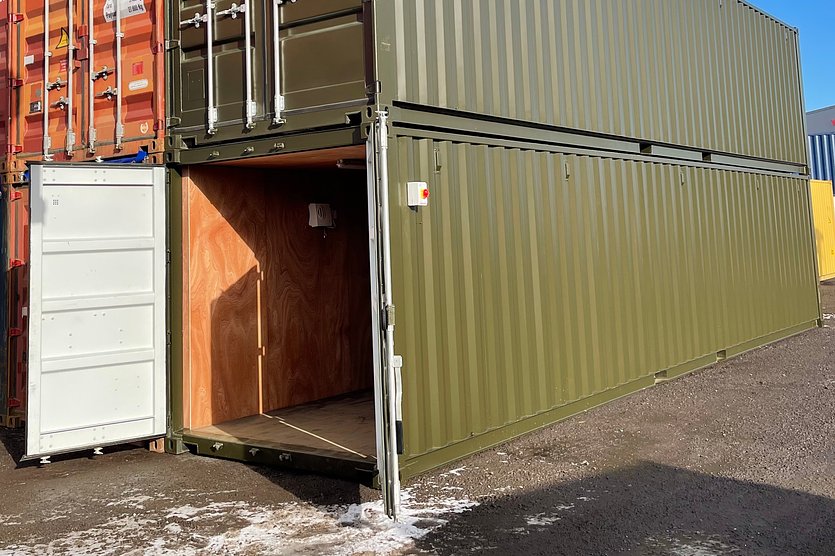
Shipping containers are large standardized steel boxes created for transporting products. They can be found in different sizes-- most commonly 20-foot and 40-foot containers-- and are used in both maritime and overland logistics. Their robust design enables safe and efficient transportation throughout different modes of transport.
Table 1: Common Sizes of Shipping Containers
| Size | External Dimensions (L x W x H) | Weight Capacity | Typical Uses |
|---|---|---|---|
| 20-foot | 20' x 8' x 8.5' | 22,000 pounds | General freight, construction products |
| 40-foot | 40' x 8' x 8.5' | 44,000 lbs | Larger shipments, bulk products |
| 40-foot High Cube | 40' x 8' x 9.5' | 44,000 pounds | High-volume products, oversized cargo |
| 10-foot | 10' x 8' x 8.5' | 10,000 lbs | Specialty goods, little lots |
Key Factors Affecting Shipping Container Delivery
Several components influence the shipping container delivery process, each of which is vital for ensuring timely and safe delivery.
1. Origin and Destination
- The geographical places significantly affect shipping time and expenses. Areas with major ports and logistical centers will normally have much shorter delivery times.
2. 20ft Shipping Container Method
- Alternatives consist of maritime, rail, and road transport, each with its advantages and drawbacks, including cost, speed, and environmental impact.
3. Container Type
- Various containers are suited for specific items-- standard, refrigerated, open-top, and flat-rack containers, among others. Choosing the ideal type impacts the delivery procedure.
4. Customs and Regulations
- International shipping requires compliance with various guidelines; failures can cause delays, fines, or even confiscation of items.
5. Weather
- Adverse weather condition can interrupt shipping schedules. It's vital to keep an eye on projections and plan appropriately.
Benefits of Using Shipping Containers for Delivery
Making use of Shipping Container Prices containers for delivery uses numerous benefits:
1. Security
Shipping containers are created to be tamper-proof, supplying an included layer of security for products in transit.
2. Cost-Effectiveness
Shipping by container can decrease transport expenses as they permit bulk shipping.
3. Intermodal Flexibility
Containers can be moved between different modes of transport without discharging their contents.
4. Standardization
The standardized sizes and specs assist in easier loading, discharging, and stacking.
5. Environmental Impact
More efficient transport techniques result in reduced carbon emissions per lots of cargo transferred.
The Shipping Container Delivery Process
The delivery of shipping containers follows a series of distinct steps:
Step 1: Booking and Planning
- The shipper books a container with a shipping line and prepares the path.
Action 2: Container Pickup
- The shipping company or freight forwarder recovers the container from a depot.
Step 3: Loading
- Item are filled into the container at the shipper's facility.
Step 4: Documentation
- Required customizeds and shipping files are prepared to prevent delays.
Step 5: Transport to Port
- The container is transported to the port by means of truck or rail.
Step 6: Customs Clearance
- The container undergoes examination and clearance by customs authorities.
Step 7: Shipping
- The container is packed onto a vessel for global transport.
Step 8: Arrival and Delivery
- Upon arrival, the container goes through the unloading procedure, Custom Shipping Containers-mades clearance, and last delivery to the recipient.
Table 2: Shipping Container Delivery Process Timeline
| Step | Duration |
|---|---|
| Booking and Planning | 1-2 days |
| Container Pickup | 1 day |
| Loading | 1 day |
| Paperwork | 1-2 days |
| Transport to Port | 1-3 days |
| Customs Clearance | 1-7 days |
| Shipping | Varies (1-6 weeks) |
| Arrival and Delivery | 1-3 days |
Regularly Asked Questions (FAQ)
1. How long does it take for shipping container delivery?
The overall delivery time can differ considerably based on several aspects, including the shipping technique, distance, and customs procedures. Typically, it can range from a couple of days to numerous weeks.
2. What are the costs connected with shipping container delivery?
Expenses involve numerous parts, consisting of container rental, shipping charges, insurance coverage, customs responsibilities, and inland transportation. It's a good idea to request a detailed quote for a clearer picture.
3. Can I track my shipping container?
Yes, a lot of shipping business supply tracking services that allow you to keep an eye on the shipment's status in real time.
4. What should I do if my container is postponed?
Contact your shipping business or freight forwarder for clarification and updates on the circumstance. They are your best point of contact for fixing delivery problems.
5. What types of items can be delivered in a container?
Most goods can be delivered in containers, however there specify regulations for hazardous products, perishables, and extra-large items. Constantly inspect the requirements before shipping.
Shipping container delivery is an intricate process that requires cautious preparation, coordination, and execution. Understanding the steps involved and the elements affecting delivery can assist services optimize their logistics techniques, ultimately leading to enhanced effectiveness and cost savings. With the ideal knowledge and resources, organizations can navigate the world of shipping container delivery effectively.

댓글목록0
댓글 포인트 안내